








Choosing the Right Method Matters
Picking the wrong decoration method is one of the most common ways custom apparel buyers overpay or end up disappointed. A 6-color photo design on screen printing setup can cost twice what DTG would charge — and a 200-piece embroidered logo run could ship faster as DTF without losing brand quality.
This page compares the five methods we offer — screen printing, DTG, DTF, embroidery, and sublimation — so you can pick the one that actually fits your quantity, design, fabric, and budget. We're upfront about what each method does well and where it falls short.
Quick Decision Guide
If you only have 30 seconds, here's the short answer:
Pick the right method based on what matters most
- I'm ordering 25+ pieces with a 1–6 color logo Choose Screen Printing — fastest and cheapest at this volume
- I have a small order (under 25 pieces) or a full-color/photo design Choose DTG Printing — no setup fees, unlimited colors
- I need full-color on polyester, performance wear, or unusual fabrics Choose DTF Printing — works on virtually any material
- I'm decorating hats, polos, jackets, or premium corporate apparel Choose Embroidery — most durable, premium look
- I need all-over prints or vibrant graphics on polyester apparel or mugs Choose Sublimation — dye-bonded prints that won't crack or peel
Side-by-Side Comparison
The complete comparison across the dimensions that matter most:
| Feature | Screen Printing | DTG | DTF | Embroidery | Sublimation |
|---|---|---|---|---|---|
| Best For | Bulk orders with simple designs | Small orders, photo designs | Full color on any fabric | Hats, polos, premium apparel | All-over prints, polyester apparel, mugs |
| Sweet Spot Quantity | 25+ pieces | 1–24 pieces | 1–100 pieces | 1–500+ pieces | 1–500+ pieces |
| Color Limits | Typically 1–6 colors | Unlimited (full color) | Unlimited (full color) | Limited by thread colors | Unlimited (photo-quality) |
| Setup Fees | Free | Free | Free | Free (digitizing included) | Free |
| Durability | Excellent (50+ washes) | Good (30–50 washes) | Excellent (50+ washes) | Outstanding (lifetime) | Outstanding (won't crack/peel) |
| Fabric Compatibility | Cotton best, blends ok | 100% cotton best | Any fabric (cotton, poly, blends) | Any fabric (structured best) | Polyester only (or poly-coated) |
| Design Detail | Bold, simple shapes | Photo-quality detail | Photo-quality detail | Logos & lettering | Photo-quality, all-over capable |
| Cost at 50 pieces | $$ (most affordable) | $$$ (mid-range) | $$$ (mid-range) | $$$$ (premium) | $$$ (mid-range) |
| Same-Day Eligible | Yes | Yes | Yes | Reorders only (with file) | Limited (depends on volume) |
| Works on Dark Fabrics | Yes (with underbase) | Yes (with underbase) | Yes (no underbase needed) | Yes | No (light/white poly only) |
Screen Printing
Screen Printing Best for bulk orders
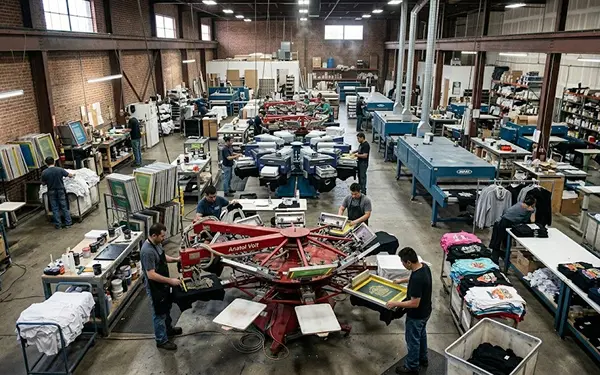
How it works
Ink is pushed through fine mesh screens onto the garment — one screen per color. Each color is printed in a separate pass. The thick ink layer creates vibrant, opaque prints that hold up wash after wash.
When to choose it
- Orders of 25+ pieces with the same design
- Designs with 1–6 solid colors (not photos or gradients)
- Cotton or cotton-blend garments
- Long-term durability matters (uniforms, athletic wear)
- You want the most cost-effective per-piece price for bulk
Pros
- Cheapest per-piece on bulk orders
- Most durable ink-based method
- Vibrant solid colors
- Works great on dark garments
- Thick, premium feel
Cons
- Color limits (more colors = more cost)
- Not ideal for photos/gradients
- Higher cost on small runs
- Setup time per design
DTG Printing (Direct-to-Garment)
DTG Printing Best for small runs & full color
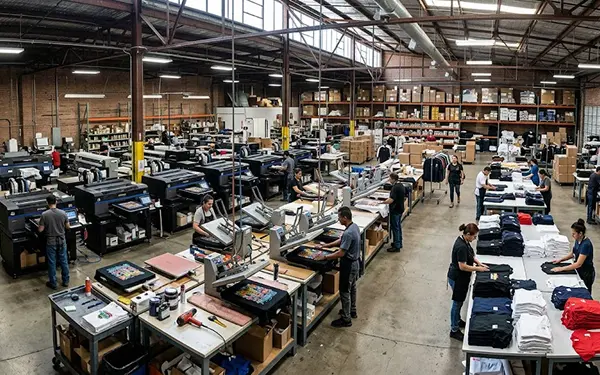
How it works
A specialized inkjet-style printer applies water-based ink directly onto the garment fibers. The print absorbs into the fabric, producing a soft hand-feel with photo-quality detail. No screens, no setup, no color limits.
When to choose it
- Small orders (1–24 pieces)
- Any quantity when your design is a photo, full-color image, or has too many colors for screen printing
- Designs with photos, gradients, or unlimited colors
- 100% cotton garments (works best)
- Soft, lightweight print feel preferred
- Single-piece samples or one-off custom shirts
Pros
- Unlimited colors at no extra cost
- Photo-quality detail
- No setup fees or minimums
- Soft, breathable feel
- Fast turnaround on small orders
Cons
- For simple designs, more expensive than screen printing at 25+ pieces
- Best on cotton (struggles with poly)
- Slightly less durable than screen printing
- Color may pop less on dark garments
DTF Printing (Direct-to-Film)
DTF Printing Best for any fabric
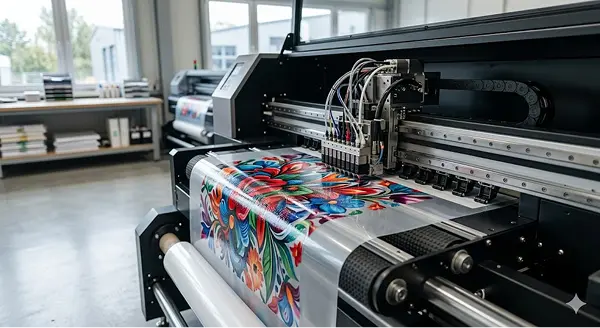
How it works
Your design is printed onto a special transfer film with adhesive powder, then heat-pressed onto the garment. The result is a vibrant, durable print that bonds to virtually any fabric — cotton, polyester, blends, nylon, even leather.
When to choose it
- Performance wear, polyester, or hard-to-print fabrics
- Full-color designs on garments DTG can't handle
- Small to mid-size orders (1–100 pieces)
- You need consistent results across mixed fabric orders
- Vibrant prints on dark or non-cotton garments
Pros
- Works on any fabric type
- Full color, no limits
- Excellent durability
- No underbase needed on darks
- Vibrant color saturation
Cons
- Slightly stiffer feel than DTG/screen
- More expensive on very large runs
- Visible edges on transparent designs
Embroidery
Embroidery Best for premium look
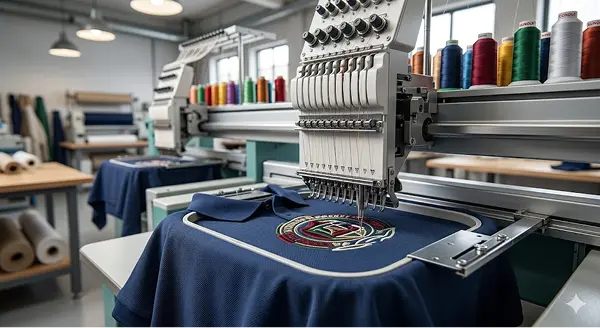
How it works
Computerized machines stitch your design directly into the fabric using high-quality thread. The result is a raised, structured logo or design that looks premium and lasts the lifetime of the garment.
When to choose it
- Hats, caps, beanies, visors
- Polos, button-downs, jackets, fleece
- Corporate uniforms or branded staff apparel
- Logo-only designs (not photos or fine detail)
- Premium retail or executive merchandise
Pros
- Most durable decoration method
- Premium, professional appearance
- Free digitizing on new logos
- Works on any fabric or color
- Lasts the lifetime of the garment
Cons
- More expensive per piece
- Not suitable for photos or gradients
- Color limits based on thread
- Adds 1 day for new logo digitizing
Sublimation
Sublimation Best for polyester & mugs
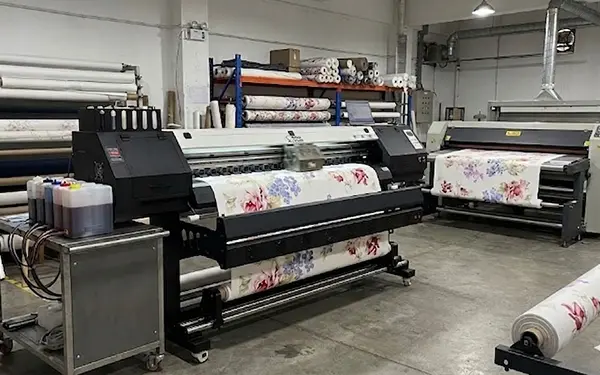
How it works
Sublimation uses heat to convert solid dye into gas, which permanently bonds with polyester fibers or polyester-coated surfaces. The result is a print that becomes part of the fabric itself — not a layer sitting on top. There's no ink to feel, crack, or peel because the design literally dyes the polyester fibers.
When to choose it
- Polyester apparel — performance jerseys, athletic wear, moisture-wicking fabrics
- Mugs and drinkware with polyester-coated surfaces
- All-over prints (where the design covers the entire garment edge-to-edge)
- Photo-quality, vibrant graphics that need to last forever
- Items where you want zero "print feel" — the dye becomes part of the fabric
Pros
- Permanent — won't crack, peel, or fade
- Photo-quality, unlimited colors
- Zero hand-feel (dye bonds to fabric)
- Capable of all-over prints
- Ideal for performance/athletic wear
Cons
- Polyester only — does NOT work on cotton
- Only on light/white fabrics (no dark garments)
- Limited product compatibility (poly or poly-coated)
- Higher per-piece cost than DTG on small runs
Cost Comparison by Quantity
Approximate per-piece cost ranking from cheapest to most expensive at common order sizes. Exact pricing depends on garment, design complexity, and decoration size:
10 pieces
- DTG cheapest
- DTF
- Sublimation (poly only)
- Screen Printing
- Embroidery
50 pieces
- Screen Printing cheapest
- DTF
- Sublimation (poly only)
- DTG
- Embroidery
100 pieces
- Screen Printing cheapest
- Sublimation (poly only)
- DTG
- DTF
- Embroidery
500 pieces
- Screen Printing cheapest
- Sublimation (poly only)
- DTG
- DTF
- Embroidery
Decision Helper
Answer these three questions and you'll have your method:
The 3-question filter
- How many pieces? Under 25 → DTG or DTF likely best. 25+ → Screen printing usually wins on cost.
- How many colors / how complex is the design? 1–6 solid colors → Screen printing. Photos, gradients, full color → DTG or DTF. Logo only on premium garments → Embroidery.
- What fabric? 100% cotton → Any of screen, DTG, or DTF works. Polyester or performance wear → DTF or sublimation. Mixed fabrics → DTF. Hats/structured items → Embroidery. Polyester-only items where you want all-over prints → Sublimation.
Combine all three answers and you'll usually land on one clear method. If you're stuck between two, give us a call — we'll tell you honestly which one fits your project best.
Frequently Asked Questions
What's the difference between screen printing and DTG?
Screen printing uses ink pushed through mesh screens — one screen per color. It's faster per piece on bulk orders, has thicker ink with better durability, but has color limits (typically 1–6) and setup time per design.
DTG (direct-to-garment) prints digital ink directly onto fabric like an inkjet printer. It handles unlimited colors and photo-quality detail.
The general crossover point is around 25 pieces — under that, DTG often wins on cost; above that, screen printing usually wins. However, if your design is a photo, has gradients, or uses too many colors for screen printing, DTG is the right choice at any quantity — including bulk orders.
What is DTF printing and when should I choose it?
DTF (direct-to-film) prints your design onto a special film, then heat-transfers it onto the garment. It produces vibrant, full-color prints that work on virtually any fabric — cotton, polyester, blends, nylon, even leather.
Choose DTF when: you need full color on a fabric that doesn't work well with DTG, you have small to mid-size orders (1–100 pieces), or you want consistent quality on hard-to-print materials like performance wear.
Which method is most durable?
Embroidery is the most durable — stitched thread doesn't crack, peel, or fade and lasts the lifetime of the garment. Screen printing is next, with quality plastisol prints lasting 50+ wash cycles when cared for properly. DTF is comparable to screen printing in durability when applied correctly. DTG holds up well but can fade slightly faster than screen printing on dark garments.
Care matters more than method — turning inside out, cold wash, and air-drying extends life for any decoration type.
Which method is cheapest for my order?
It depends on quantity and design complexity. For 1–24 pieces with full-color or photo designs, DTG is usually cheapest. For 25+ pieces with simple designs (1–6 colors), screen printing is usually cheapest.
For photo or full-color designs, DTG remains the right choice at any quantity since screen printing can't replicate that detail. DTF works well for small to mid-size full-color runs on tricky fabrics. Embroidery is more expensive per piece but justified for premium products and brand-quality logos.
Setup fees are always free with us.
Can I use multiple methods on the same garment?
Yes. Many of our customers combine methods on a single garment — for example, embroidered chest logo + screen printed back graphic, or DTF heat transfer for a small detail + screen print for the main design. Combining methods costs more than a single method but creates a layered, premium look. Tell us what you're going for and we'll recommend the best combination.
Which method works best on dark garments?
All four methods work on dark garments, but with different processes:
Screen printing on dark fabrics requires a white underbase, which adds a print pass but produces vibrant results. DTG also requires a white underbase on darks (we handle this automatically). DTF prints with full opacity on any color without requiring an underbase, making it efficient for dark fabrics. Embroidery is unaffected by garment color since thread is opaque.
Which method is best for hats and caps?
Embroidery is the standard for hats and caps — it's structured, professional, and durable. Screen printing on hats is technically possible but rarely done due to curved surfaces. DTF transfers can work on flat-front hats and bring full-color capability that embroidery can't match. DTG doesn't work on hats. For most hat orders, embroidery is the right choice.
What about polos and embroidered logos?
Embroidery is the gold standard for polos. The structured stitched logo on a chest or sleeve looks premium and professional, ideal for corporate uniforms, golf wear, and team apparel. Screen printing on polos is uncommon but possible. DTG works on cotton polos. DTF can produce full-color logos on polos when embroidery's color limitations don't fit your design.
We digitize your logo for free on new embroidery orders.
What is sublimation printing and when should I choose it?
Sublimation uses heat to convert solid dye into gas, which permanently bonds with polyester fibers. The result is a print that becomes part of the fabric — no ink layer to feel, crack, or peel.
Choose sublimation when: you're decorating polyester or polyester-coated items (like performance jerseys, athletic wear, or mugs), you want all-over prints that cover the entire garment, or you need photo-quality graphics that will never fade. Sublimation does NOT work on cotton fabrics or dark-colored garments.
Why doesn't sublimation work on cotton or dark fabrics?
Sublimation dye chemically bonds only with polyester fibers — it cannot bond with cotton or natural fibers. On cotton, the dye simply washes out.
Sublimation also requires a light or white base since the dye is translucent; on dark fabrics, the design wouldn't be visible because the fabric color shows through. For dark cotton or mixed fabrics, DTF or screen printing are better choices.
